Elegant Celebrations: Creating Memorable Holiday Moments

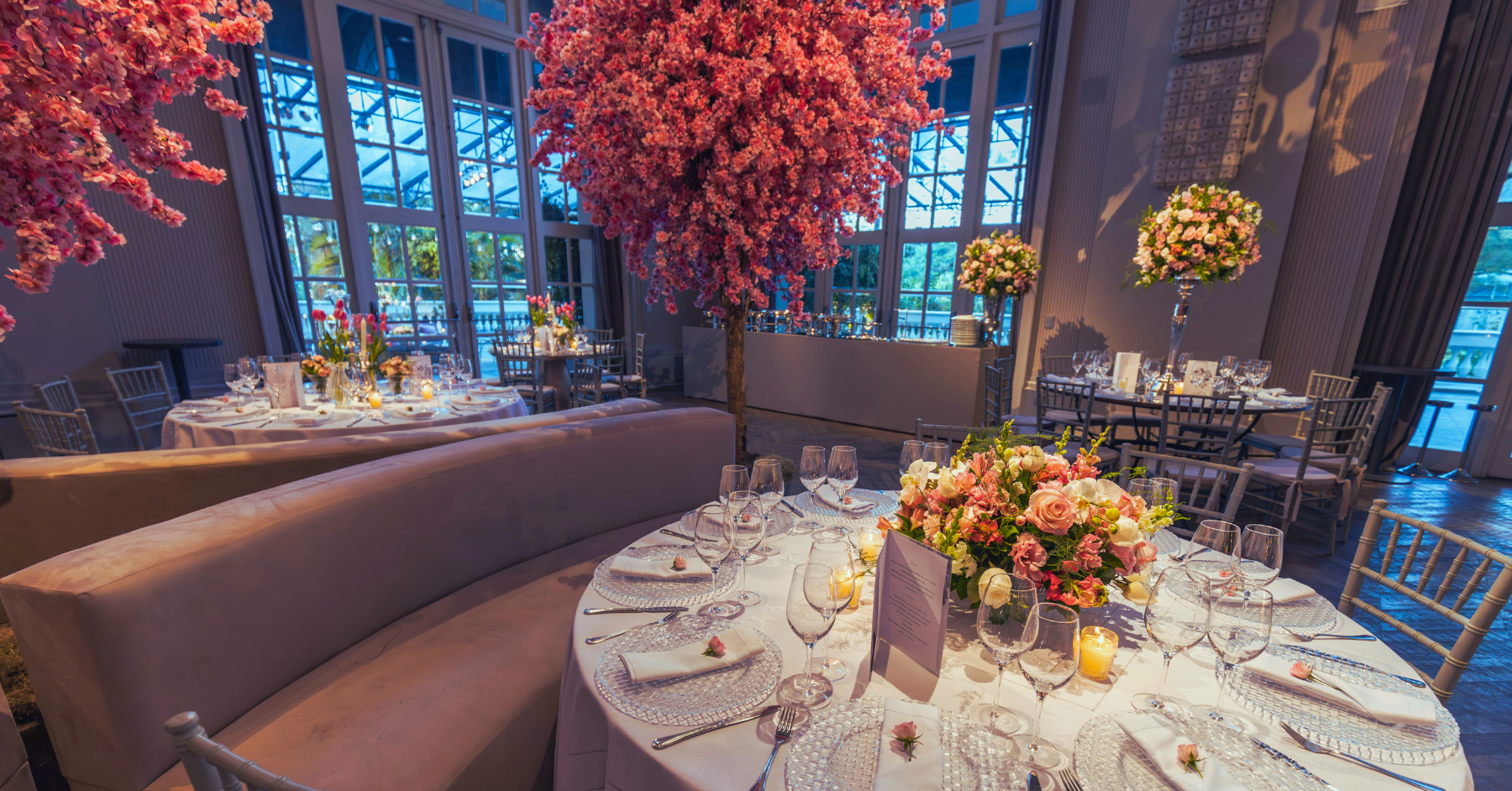
For those with a penchant for traditional settings and seeking fresh ideas for this holiday season, consider these thoughtfully curated tips:

  • Start with a Neutral Base: A classic white or ivory tablecloth sets a versatile stage.
  • Incorporate Luxe Textures: Velvet, linen, and lace add depth and luxury.
  • Embrace Metallic Accents: Gold or silver elements bring a festive sparkle.
  • Incorporate Natural Elements: Fresh flowers and greenery invite nature’s charm indoors.
  • Personalized Touches: Name cards and handwritten menus add a personal feel.
  • Lighting: Warm lighting from candles and fairy lights creates a cozy ambiance.
Image courtesy of Dall-E

The highlight of any holiday celebration is often the toast. While there are many choices, Champagne holds a special place in my heart. Here are a few tips for the perfect Champagne experience:

  • Choosing the Right Champagne: Brut is timeless, while rosé adds sweetness.
  • Serving with Style: Chill to the ideal temperature and serve in elegant flutes.
  • Champagne Cocktails: Consider a Kir Royale or French 75 for a festive twist.
Photo by Subbotina Anna via Shutterstock.com

Now, let’s talk about the heart of the gathering – the menu. Here are some simple yet elegant ideas:

  • Entrée: Herb-Crusted Roast Chicken, a universally loved dish, or Stuffed Bell Peppers for a vegetarian delight.
  • Sides: Roasted Root Vegetables for color, Garlic Mashed Potatoes for comfort, and Green Bean Almondine for crunch.
  • Dessert: Chocolate Fondue with fruits and marshmallows, and Mini Pavlovas for a sweet finish.
Photo by Zazarmora on Shutterstock.com
  • With Chicken: A light Sauvignon Blanc or Chardonnay.
  • With Vegetarian Dish: A Pinot Noir or a refreshing Rosé.
  • For Dessert: Sweet Moscato or a dessert wine like Port.

These dishes are not only delicious but also pair wonderfully with Champagne, ensuring your holiday meal is as memorable as it is flavorful.

luigi giordano via Shutterstock.com

Creating an elegant holiday gathering is all about blending style, simplicity, and a touch of personal flair. I hope these ideas inspire you to create your own festive and unforgettable holiday experience. Cheers to a season filled with warmth, elegance, and joy!

Fondly,

Monique

Positioning Your Organization to Host 7-Figure Events || Collaborating with Corporate Honorees

Dear Friends and Colleagues,

Welcome to the Positioning Your Organization to Host 7-Figure Events™. I created this series to serve as a resource for non-profit leaders looking to host their first special event fundraiser, or reinvigorate a dormant event, but are overwhelmed by the steps involved. 

In my earlier article, I discussed Ways to Involve Donors When Making the Case For Support, which can be accessed via this link.  As you and your team work to implement sustainable fundraising strategies, one of the most rewarding moments is when a corporate chairman or CEO agrees to be honored.

Collaborating with an industry leader who recognizes the importance of strategically positioning your organization in the philanthropic marketplace can greatly impact your fundraising success. As your team prepares to take action, remember that corporate honorees must carefully align your organization’s needs with their broader social responsibility objectives.

Today, I am pleased to share some insights to consider when Collaborating with Honorees on your signature fundraising event. 

1. Corporate honorees have influence but do not have an open checkbook.  The good news is you are working with proven leaders.  Once they have a clear understanding of your needs and commit to the fundraising campaign, you will receive great support.

2. Corporate support may take many forms.  “Do you make it easy for others to support your work? When seeking corporate support, consider offering options like a one-time lead gift to fund a specific program area, a multi-year commitment to launch a new initiative, or a one-time lead gift to support your event paired with a pledge to secure extra funding through their network. Presenting clear and flexible opportunities can help potential corporate partners align their contributions with your organization’s goals.

3. Corporate honorees are careful with their investments.  CEOs take pride in knowing their resources (time, money, key personnel) add value to your organization’s bottom line.  At the same time, they take comfort in knowing your team will take an active role in fundraising efforts. 

4. Corporate communication generally takes place via a member of their executive team. Traditionally, this person will be a senior-level manager designated to help you and update the honoree.  Please honor and work within this structure.

5. Business etiquette goes a long way.  Your organization contact should have great interpersonal skills and be capable of communicate with business leaders with professionalism and tact.  This will help build a lasting relationship long after the event is over.

Additionally to generating essential funds for your organization, high-level events offer an excellent opportunity to strengthen relationships for future collaboration. While the process involves many steps, implementing the right strategies will allow you to plan with precision and execute with excellence.

If I can support your efforts please contact me at Monique@Eventstrategies4success.com.

Here’s to your success!

Fondly,

Monique

#philanthropy #nonprofitleaders #specialevents #specialeventfundraiser #nonprofitevents #galas #fundraisers

Positioning Your Organization to Host 7-Figure Events || Ways to Involve Donors When Making the Case for Support

Dear Friends and Colleagues,

Welcome to the Positioning Your Organization to Host 7-Figure Events™ series created to serve as a resource for non-profit leaders looking to host their first special event fundraiser, or reinvigorate a dormant event, but are overwhelmed by the steps involved.  In my previous article, I shared strategies you can use to Create Momentum for Your Event, which can be accessed by following this link.

If you have been looking for unique opportunities to involve your most generous supporters, why not start with your event? Today I will share ways you can Ways to Involve Donors When Making the Case for Support.

1. Ask donors to collaborate. 

For donors with C-suite connections, invite them to help create strategies for soliciting contributions from others within this circle. Their insight can ensure your appeal is best positioned for a positive outcome.

2. Ask donors to lead.

For donors who enjoy the allure of events, and have the time and resources to ensure successful outcomes, invite them to take a leadership role on the fundraising committee. Excited and engaged donors are vital to your success.

3. Ask donors to host.

For donors who have access to networks critical to your organization’s long-term success, but cannot commit to a lengthy fundraising campaign, invite them to sponsor a pre-event activity or host private a reception to provide honorees with a more personal look at your organization.

4. Ask donors to mentor.

For donors who have served as ambassadors, but shy away from formal committees, invite them to mentor key team members and accompany them on in-person visits with prospects and community stakeholders.

When making the case for support, involving donors is key. With proper planning and patience, well-planned events can set the tone for six-or-seven-figure fundraising success.

If I can support your efforts, please contact me at Monique@Eventstrategies4success.com.

Here’s to your success!

Fondly,

Monique

#philanthropy #nonprofitleaders #specialevents #specialeventfundraiser #nonprofitevents #galas #fundraisers

Positioning Your Organization to Host 7-Figure Events || Setting the Stage for Success

Dear Friends and Colleagues,

Welcome to the Positioning Your Organization to Host 7-Figure Events™ .   I created this series to serve as a resource for non-profit leaders who are interested in hosting their first special event fundraiser, or reinvigorating a dormant event, but may feel overwhelmed by the process.

One of the first things you must do is obtain buy-in from members of your leadership team, the board of directors and a small circle of influential donors – who will each play an important role in the fundraising campaign.  However, without a blueprint to follow, where will you begin?

Today I will share 5 essential questions to help inform your discussions with these key stakeholders.

1.  Why are you hosting this event?

There are many reasons why you have decided to host your signature event, chief among them is to generate income from table and ticket sales. That said, you should be able to clearly articulate how you will use the proceeds.  Will you add new programs and services, or enhance ones that already exist?  Will you participate in executive level training to further develop your leadership skills?  How will you invest in your team?

2.  Can you afford to do this?

Planning and executing large events can be expensive, and many unexpected costs will come up along the way.   You must honestly assess how much you can invest, set a budget and determine the impact of these expenses on your day-to-day operations.  Equally important, you must decide if you have enough cash on-hand to sustain the organization until the fundraising campaign generates income.

3.  Do you have sufficient resources?

Please keep in mind, this event will unfold as you continue to manage your daily responsibilities. You must continue to serve your beneficiaries, collaborate with stakeholders and manage your team. Therefore, you should carefully determine how you will manage the interruptions that generally accompany events of this magnitude.  Do you expect staff to shoulder the additional responsibilities or will you hire a professional team to provide assistance?

4.  How will you engage your supporters?

Some organizations are challenged around ways to keep donors informed and engaged after the event.  As you work to build your financial future, the quality of your interactions will be key.  Among the high-level touches sophisticated donors will expect are invitations to curated cultivation and scholarly events, in-person updates on your beneficiaries progress and where you see them in your organization’s future.

5.  How will you tell your hero stories?

If you showcase your beneficiaries during the event, you must do this in a way that honors them and presents their accomplishments in the best light.  Remember everyone will watch how you treat those you have pledged to serve.

Hosting your first signature fundraiser is not easy. However, once your event is fine-tuned, and enjoys a loyal base of committed supporters, it will prove to be profitable for your bottom line.  With proper planning and patience, you will be positioned to achieve six-or-seven figure event success.

If I can support your efforts, please contact me at Monique@Eventstrategies4success.com.

With kind regards,

Monique

The Honoree/Organization Balance

Dear Friends and Colleagues,

As a fundraiser and event planner, one of the most promising moments comes when a client secures a corporate honoree (Chair and Chief Executive Officer of a global corporation). With this development, the organization is ready to implement a strategic fundraising campaign to meet, and exceed, the income goal.

Throughout my career, I’ve learned there is a delicate balance that must be maintained when working with a corporate honoree. It is equally important for organizations to acknowledge honorees also have expectations. This unique partnership can benefit both parties now and in the future. Today I am pleased to share some additional insights to add to your toolkit:

  1. Corporate honorees have great influence but do not come with an open checkbook. As leaders, they understand what is needed and are committed to supporting the fundraising campaign. As you enter into this process, please keep in mind support can take many forms, among them: (a) a one-time lead gift, (b) a multi-year sponsorship or (c) a one-time lead gift coupled with a pledge to secure additional support from their networks.
  2. Corporate honorees are careful with their investments; they take pride in knowing their resources (time, money, key personnel) add value to the bottom line. Corporate leaders will expect the organization to remain true to its mission, deliver on its promises and take an active role in fundraising.
  3. Corporate honorees are busy and their time is limited. Communication generally takes place via the honoree’s designee; an executive-level manager who works closely with Chair and Chief Executive Officer. Please honor and work within this structure.
  4. The organization should always work to strengthen its relationship with the corporate honoree. When appointing a staff member to work with the honoree’s designee, please select a senior manager who has good interpersonal skills and understands corporate etiquette. This will go a long way to building a lasting relationship after the event.
  5. The organization must be quick to say thank you and acknowledge all gifts, large and small, that come from the honoree’s efforts.

As always, I am here to support your efforts in any way that I can. For information, please visit http://www.eventstrategies4success.com. If I can be of assistance, please reach out to me at monique@Eventstrategies4success.com.

With kind regards,
Monique

Creating an Event Budget to Ensure Success

Dear Friends and Colleagues,

Fundraisers and event planners know the important role budgets play when working with business and organization leaders. The event budget serves as a guide when hiring vendors, can serve as an effective negotiating tool and will help keep track of expenses. While this process can be layered, and usually requires several revisions, it cannot be minimized. Today I am sharing some insights into the expense budget planning process. I will discuss how the expense budget impacts fundraising goals in future posts.

Over the years, one technique I have found to be helpful is to group expenses into categories. This is a quick way to compare items from multiple vendors and make adjustments as needed.

THE VENUE
Selecting the perfect venue gives leaders an opportunity to impress donors and stakeholders. When reviewing options, comparing the cost of each venue is key. Here are some items to examine:

  1. Venue (Room rental fee)
  2. Venue (Room taxes)
  3. Venue (Additional set-up time)
  4. Reception (menu)
  5. Reception (beverages)
  6. Reception (premium bar service)
  7. Reception (limited bar service)
  8. Dinner (menu)
  9. Dinner (wine and beverages)
  10. Speciality Dessert
  11. Catering Service Charge (ranges from 18 to 21%)
  12. Food & Beverage Tax (waived for non-profits)
  13. Tasting Fee
  14. Additional insurance usually in effect the day of the event and for a few days after

SAVE-THE-DATE NOTICE, THE FUNDRAISING CAMPAIGN & INVITATION
Once the venue is confirmed, the next step is organizing the campaign for support. I realize we live in a time where e-mail and social media are heavily used, I have come to realize many corporations, foundations and donors require – and appreciate – written requests for support. Social media and e-mail outreach can be used as a follow-up to a written request.  Here are some items to include:

  1. Save-the-date card (designer fee)
  2. Save-the-date card (printer fee)
  3. Fundraising package (designer fee)
  4. Fundraising package (printer fee)
  5. Invitation package (designer fee)
  6. Invitation package (printer fee)
  7. Postage
  8. Messengers and/or overnight delivery
  9. Programs and journals to be distributed at the event (designer fee)
  10. Programs and journals to be distributed at the event (printer fee)

COORDINATING THE PARTS
As we know, large fundraisers involve many moving parts. For events with a 7-figure fundraising goal, and an attendee goal of 750 -800 guests or more, the organization’s mailing list will need to be in the thousands. Coordinating these items before they are mailed requires hours of preparation. If in-house resources are not available, hiring an outside vendor is critical. Here are some line items to include in the budget:

  1. Mailing list preparation (includes bad address removal and updates)
  2. Fundraising package preparation
  3. Invitation package preparation

CREATING THE VISION FOR THE EVENT
This is where leadership and the dinner team work with the event decorator to plan the look of the room, signature colors and the impression they want to make on donors and supporters. Here are some items to include in the decor budget:

  1. Linen
  2. Chairs
  3. Chair cushions
  4. Centerpieces
  5. Stage decor
  6. Step and repeat banner
  7. Speciality lighting package
  8. Speciality lighting (delivery, installation and breakdown)
  9. Fee for the delivery and pick up of all rental items
  10. Ropes and stanchions
  11. Pipes and Drapery
  12. Plants to use in key areas

THE PROGRAM
Once guests have been seated, its time for the show to begin. Think of how embarrassed the President or Board chair will be to learn his/her remarks can’t be heard? If a video is planned, the playback must be exceptional. Here are some items to include in your budget to ensure a professional presentation:

  1. Podium
  2. Wireless microphones
  3. Teleprompters
  4. Video screens
  5. Video recorders
  6. Audio-visual technicians
  7. Video playback units
  8. Program producer
  9. Floor manager
  10. Floor assistants
  11. Entertainment/Musicians
  12. Entertainment/Instruments
  13. Professional photographer
  14. Stage construction

A FEW ADDITIONAL IMPORTANT ITEMS
From special gifts of appreciation to honorees and guests, to saying thank you to dinner chairs and key staff members, planning for these items early in the process will ensure no one is overlooked. Here are some items to add to this category:

  1. Gifts and giveaways for guests
  2. Special awards for honorees
  3. Honorarium for emcee and keynote speakers
  4. Transportation for emcee and keynote speakers and other VIPs
  5. Transportation incurred for key staff participating in monthly planning meetings
  6. Hotel accommodations for emcee, keynote speakers and other VIPs
  7. Thank you gifts for dinner chairs, volunteers and key staff members who worked on the event
  8. Refreshments provided at monthly planning meetings
  9. Miscellaneous office supplies
  10. Delivery costs to send items to the venue on the day of the event

MANAGING ALL OF THE DETAILS
As my colleagues will attest, planning a fundraiser of this size requires great skill and coordination. Many organizations will look to a professional event planner to ensure the careful management and execution of details. Here are fees you should incorporate into your budget:

  1. Event planner fee
  2. Event planner overhead/administrative costs
  3. Event planner out-of-pocket expenses

Thank you for spending a few moments out of your day with me. I hope today’s post has been helpful to you. If I can be of assistance, please contact me at Monique@Eventstrategies4success.com.

With kind regards,

Monique


Lessons Learned From Leaders

Dear Friends and Colleagues,

A dynamic group of young men and women invited me to share insights about my profession and the lessons I’ve gained from working with leaders.

Summarizing my role as a fundraiser and event planner took some time, as I tailored my message for a group of young adults. Still, discussing the lessons I’ve learned from business and organizational leaders required even more thought. With so much to share, I focused on providing information that would inspire them, provoke thoughtful reflection, and add value to their lives

  1. Leaders value partnerships. While a large part of my job is to identify needs, assess risks and organize talent, I am signing onto the organization’s mission. I am wedded to its success.
  2. Leaders value time. I always plan to be on time and make the most of every minute we have together.
  3. Leaders value preparation. I always prepare an agenda for it shows I am paying attention to the organization’s needs.
  4. Leaders value professionalism. My skills, attitude and enthusiasm are always on display.
  5. Leaders appreciate having time to adjust to new partnerships. When working with a new client, I always allow extra time to build rapport.
  6. Leaders value flexibility. During meetings, I understand that the agenda serves as a guide, fundraising objectives may change and each team member learns at a different rate. As such, I must be prepared to make reasonable shifts when needed.
  7. Leaders value the bottom line. I am transparent about all costs, why extra resources are needed and how the investment will add to the success of the project.

Thank you for spending a few moments out of your day with me. If I can be of assistance, please contact me at Monique@Eventstrategies4success.com.

With kind regards,

Monique

Do I Have Time to Plan A Successful Fundraising Event?

Dear Friends and Colleagues,

Time is moving quickly, and we’re already in the second week of February! At this pace, spring will be here before we know it.

Recently, a member of a community-based organization asked me whether it’s possible to plan a successful fundraising event for May—just three months away. This will be their first major event, and understandably, they’re feeling a bit anxious. The good news is that the date and venue will be finalized this week, which is an important first step.

Answering their question isn’t as simple as a yes or no. As a professional, my role is to outline the necessary steps, develop a strategic approach to ensure a successful outcome, and help set the foundation for future fundraising efforts.

Last week, I met with the organization’s leadership team to better understand their needs. I prepared an agenda and asked targeted questions to guide the discussion, creating a framework for internal conversations and decisions moving forward.

Today, I’m sharing some key takeaways from our meeting. If you find these insights helpful, I encourage you to add them to your toolkit as you plan your next fundraiser.

  1. What is your budget for this event? How much money would you like to raise? How much do you need to raise to break even? This will help decide how much to charge for underwriters and lead sponsors, tables and individual tickets.
  2. Do you have a list of donors and prospects? If so, what shape is the list in? Is it current? When was the last time it was updated?
  3. How engaged are your Board members and stakeholders? Can you count on them to find additional prospects, make appropriate asks and provide their personal financial support? Do you envision a special time before the event so that Board members and organization leaders can personally thank underwriters and lead sponsors?
  4. What is your vision for this event? Would you like to host a luncheon or dinner? If you plan to host a dinner, is this a formal or semi-formal occasion?
  5. Have you thought about your support team? How will the event be managed and executed? Moreover, to partnering with a fundraising and event management professional, who will help with public relations and communications?
  6. What is the call to action? How will you engage supporters in your work after the event? Who will create the follow-up plan?

I will provide the answers to these questions, along with tips on how to plan and executive successful events, in future blog posts. Until then, if you have questions or if I can be of assistance, please contact me at Monique@Eventstrategies4success.com.

With kind regards,

Monique

Time to Reconnect

©Stephanie Badini Photography

Dear Colleagues,

After a brief hiatus, it is good to be back. I look forward to connecting with you and hearing what you’ve been up to. I am also working on ways to engage you further in this process and allow you to share your social and fundraising event success with us.

Please stay tuned for updates to our Facebook page where you will be able to access additional resources and ideas. I am also working on a new Pinterest page that I will unveil in the new year.

Thank you for your patience. I look forward to helping you create success one event at a time.

With kind regards,
Monique

Tips for Effective Crisis Management

Dear Friends and Colleagues:

shutterstock_104446280 copy

There is one thing special event planners know for sure — the highs and lows of this business are real! One week, we may be celebrating a successful event or product launch. The next week, we could be navigating a plethora of event-related challenges.  What happens when things go wrong?  What safeguards can we put in place?

Former NFL Senior Vice President Frank Supovitz, who is now President and CEO of Fast Track Events and Entertainment, planned Super Bowl XLVII and recalls vividly when the lights went out in the Superdome.  

Today, I would like to share his sage advice on how to manage during a crisis.

  1. Don’t Panic.
    Panicking doesn’t solve anything.  It paralyzes decision-making.  This is your time to Lead.  Even if you don’t quite know what to do, it is important to keep everyone working together for solution.
  2. Don’t React.
    This is a time for measured decision-making.  Keep in mind, you are reacting to a symptom of what is wrong, not the cause.  Do Assess What’s Going On.  Avoid paralysis through analysis.  This is a time for rational decision-making.
  3. Don’t Get Caught By The Predictable.
    Always think “what if.”  As the event leader, this is the time to play “preventive defense.”  Determine Plan A, Plan B and Plan C.
  4. Don’t Walk Alone.
    In order to be successful, you must have a great team in place.  Empower them to make decisions that can help you in your time of crisis.
  5. Don’t Be An Information Hog.
    Secrecy has no place during a crisis.  Always communicate with your team and provide updates as frequently and clearly as needed.
  6. Don’t Take Your Eye Off The Ball.
    Remember to prioritize.  Don’t spend your time focusing on what happened 2 hours ago.  Try to stay in the moment and manage what is taking place now.
  7. Don’t Blame.
    Assessing blame is the last thing that you should do.  After the event is over, you and your team should spend quality time investigating what went wrong so that you can build in contingencies for the future.
  8. Take Time to Rehearse.
    Bring together your team and rehearse your event several times before it actually begins.  This process will allow you to build trust and confidence and allows for contingencies.

In closing, I thought you would like to hear from directly from Frank.  Please follow this link to learn more about What To Do When Things Go Wrong At Events.

Frank Supovitz, President & CEO, Fast Traffic Events
Frank Supovitz, President & CEO, Fast Traffic Events and Entertainment

Happy Planning!

Monique

—————————————–

Credits:
Frank Supovitz appears courtesy of Event Innovation Forum as recorded by Biz Bash Events and Entertainment – http://www.bizbash.com.


error: Content is protected !!