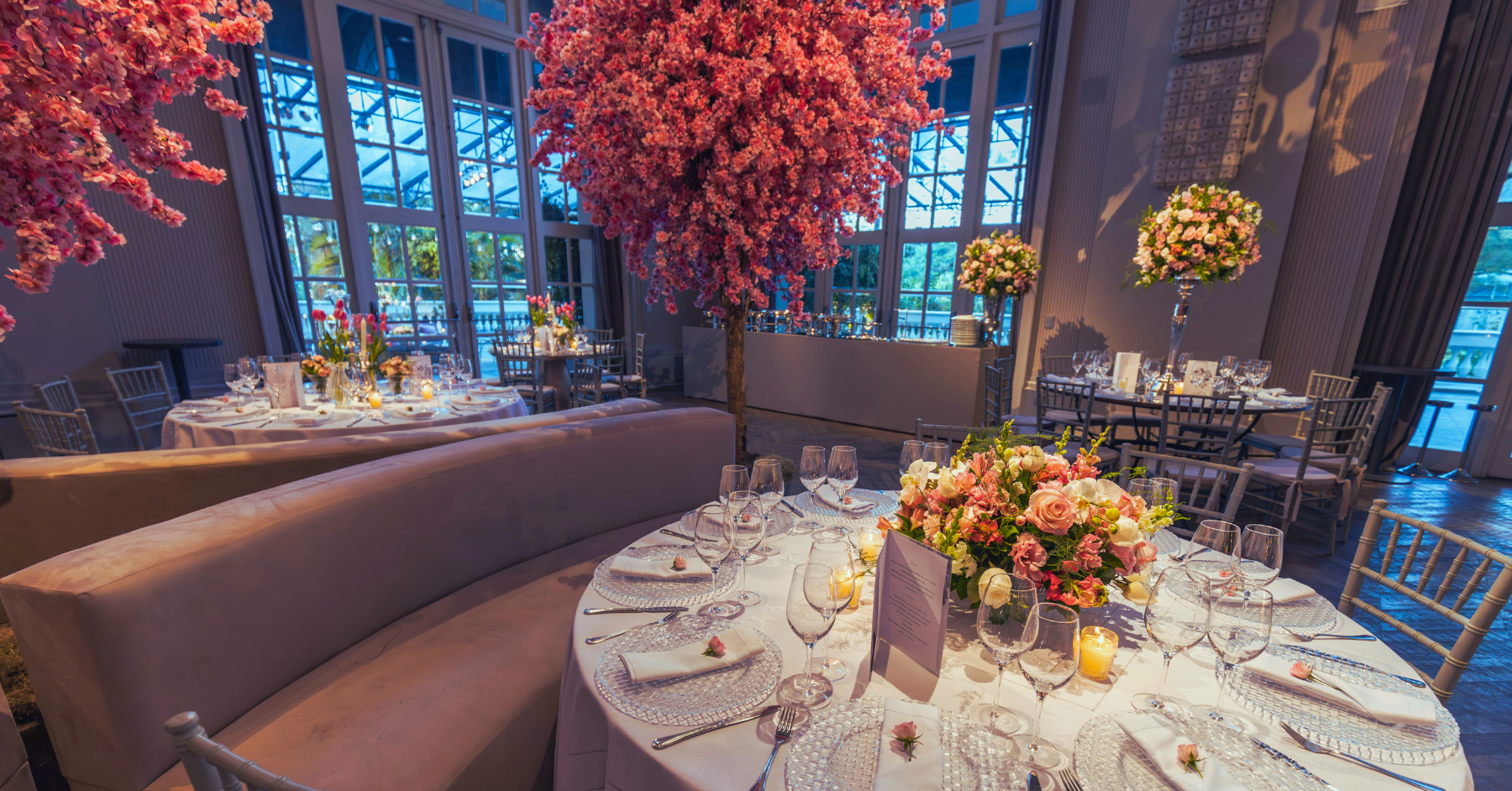
In the dynamic world of nonprofit event planning, being prepared for unexpected challenges is not just a choice—it’s a necessity. As we navigate through various complexities in organizing impactful events, the principles of effective crises management stay more relevant than ever.
For many nonprofits, events are not just activities; they are the lifeblood of the organization. These gatherings boost visibility in a crowded philanthropic arena and often serve as a main income driver. With so much at stake, the pressure to deliver flawless events is immense, leaving little room for error. Yet, events inevitably bring surprises and challenges.
For organizations that are fragile—whether they’re struggling, resource-challenged, or simply new to the field—the capacity to adapt and correct course in real-time is not just an advantage; it’s a necessity. Effective crisis management becomes essential, enabling these organizations to navigate unexpected challenges without compromising their mission or financial stability
Today, I want to revisit a classic piece from our blog archives that has continued to guide event planners through the storms of uncertainty. Originally penned in 2015, “Tips for Effective Crises Management” offers eight foundational strategies that are crucial for any event planner facing potential crises. These tips include:
Don’t Panic – Stay calm and lead with confidence.
Don’t React – Respond thoughtfully, rather than impulsively.
Don’t Get Caught by the Predictable – Expect and prepare for challenges.
Don’t Walk Alone – Collaborate with a team you trust.
Don’t Be an Information Hog – Share crucial updates with all stakeholders.
Don’t Take Your Eyes Off the Ball – Stay focused on your event goals.
Don’t Blame – Focus on solutions, not assigning fault.
Take Time to Rehearse – Practice your crisis response plan.
These principles are not just tips; they are essential tools that can make or break the success of your event. As we prepare to delve deeper into the nuances of crises management in our upcoming series, this post serves as both a primer and a reminder of the timeless nature of good crises management.
Join me in revisiting this invaluable resource, and stay tuned for more insights on navigating crises in the nonprofit sector. Let’s empower our events to not only endure but thrive in the face of adversity. Read the full article here
As February beckons, we prepare to celebrate an occasion that over the years has captured the hearts of children and adults throughout the world.
As I grew older, I realized that Valentine’s Day is more than just romance—it’s a wonderful opportunity for nonprofits to engage their communities, build deeper connections with their target audience, and host meaningful fundraisers with their tribe. Love and generosity go hand in hand, making this holiday an ideal time to rally support for your cause.
Here are 12 creative, mission-driven Valentine’s Day fundraising ideas to inspire giving, foster community engagement, and create lasting impact beyond February 14th.
1. Sweetheart Bake Sale: Love in Every Bite
A classic with a heartfelt twist! Partner with local bakeries, volunteers, and community members to create a themed bake sale featuring love-inspired treats. Offer “pay-what-you-can” options or a “Buy One, Donate One” initiative, where supporters can purchase treats for local shelters or hospitals.
Additionally, consider creating personalized treat boxes or themed baked goods (e.g., heart-shaped cookies, cupcakes with love notes, or truffle assortments). This not only enhances the experience but can also encourage larger donations.
✨ Pro Tip: Add a virtual bake sale component by allowing online orders with delivery or pickup options. Promote it through social media with engaging visuals.
2. Love Letters for a Cause: Messages That Matter
Encourage supporters to write love letters of kindness, appreciation, or gratitude for someone special, frontline workers, or community heroes. Charge a small donation per letter, and if possible, arrange for special deliveries to nursing homes, hospitals, an elderly relative, or neighbors.
✨ Pro Tip: Offer beautifully designed stationery or digital e-cards for virtual participation. Partner with schools to involve students in sending uplifting messages.
3. Valentine’s Dance for a Cause
Host a community dance night or virtual dance party to bring people together while raising funds. Include dance lessons, a themed photo booth, and a “Dancing for Donations” challenge where donors pledge based on how long participants keep dancing!
✨ Pro Tip: Partner with local dance studios or DJs to elevate the experience and cross-promote to their audience.
4. Romantic (or Family-Friendly) Movie Night Fundraiser
Set up an indoor or outdoor (depending on your climate) movie screening featuring classic romantic films or feel-good family movies. Charge an entry donation and offer VIP picnic-style seating with blankets, snacks, and hot cocoa kits.
✨ Pro Tip: Include a “Sponsor a Ticket” option for donors to purchase tickets for families in need.
5. Heartfelt Craft Fair: Love in Every Creation
Host a handmade craft fair where local artisans and vendors sell Valentine’s gifts, with a portion of proceeds benefiting your cause. Offer DIY workshops like candle-making, love-themed pottery, or card design.
✨ Pro Tip: Add an online marketplace for those who want to shop but can’t attend in person.
6. Cupid’s Charity 5K Run/Walk
Get hearts racing with a Cupid-themed 5K where participants dress in red and pink. Offer a “Run for a Reason” sponsorship, where runners can dedicate their run to someone special.
✨ Pro Tip: Provide virtual participation options for those who prefer to run in their own neighborhoods and share their progress online.
7. Love & Laughter: Valentine’s Comedy Night
Host a stand-up comedy night featuring local comedians. Laughter is a powerful way to bring communities together while supporting a good cause. Sell tickets and add raffle prizes or silent auctions to boost fundraising.
✨ Pro Tip: Offer a “VIP Experience” with front-row seating, meet-and-greets with comedians, or themed cocktail specials.
8. Valentine’s Pet Parade & Adoption Event
Combine adorable pets and philanthropy by organizing a pet parade and adoption event! Have participants dress their pets in festive Valentine’s costumes and charge an entry fee, with proceeds going to animal shelters.
✨ Pro Tip: Offer a “Puppy Kissing Booth” where attendees can make a small donation to cuddle with adoptable pets.
9. Love Your Neighbor: Acts of Kindness Day
Organize a community-wide service day where volunteers help neighbors in need—yard work, grocery runs, or writing appreciation notes. Participants can collect pledges for their acts of kindness.
✨ Pro Tip: Encourage social media participation by using a #LoveYourNeighborChallenge to spread the movement.
10. Valentine’s Day Photo Booth Fundraiser
Set up a photo booth at a local event, park, or café with fun Valentine’s props and backdrops. Charge a donation per session and offer custom digital filters or printed polaroids.
✨ Pro Tip: Partner with a local photographer for a professional touch and increase social shares!
11. Valentine’s Gala: A Night of Love & Giving
For a high-impact fundraiser, host a formal Valentine’s gala with dinner, dancing, and a silent auction. Create a compelling “Give from the Heart” moment, where attendees can pledge donations live.
✨ Pro Tip: Include a “Love Letter Wall” where donors can write personal messages about why they support your cause.
12. Community Love Wall: Share & Celebrate Love
Set up a large heart-shaped mural in a community space where people can write messages of gratitude, love, and kindness for a small donation. Alternatively, create a virtual “Love Board” where supporters can dedicate digital messages.
✨ Pro Tip: Incorporate a live-streamed unveiling event and encourage social media sharing with a dedicated hashtag.
Final Thoughts: Make This Valentine’s Day Count
Valentine’s Day isn’t just about flowers and chocolates, although I enjoy my share of both—it’s about spreading love and creating meaningful impact. These fundraising ideas aren’t just one-time events; they are opportunities to deepen connections, inspire generosity, and build long-term support for your cause.
💡 Next Steps: Choose one or two ideas that align with your nonprofit’s mission, promote them effectively, and engage your community in a season of giving that lasts beyond February 14th.
💬 Which idea resonates with you the most? Let’s start planning! ❤️,
As we turn the page to 2025, I want to express my deepest gratitude to each of you—nonprofit leaders, dedicated board members, volunteers, and community advocates—for your unwavering commitment to making a difference through nonprofit fundraising events and other impactful initiatives.
Nonprofit fundraising events have the power to inspire action and create meaningful change, and atEvent Strategies For Success, we’ve been honored to work alongside you this past year. Our mission is to empower nonprofits and strengthen the communities they serve. In 2024, we focused on innovative fundraising strategies designed to amplify your impact and elevate your efforts.
Reflecting on 2024: Highlights and Insights
Reflecting on 2024: Highlights & Insights
In our quest to add value to your nonprofit’s fundraising toolkit, we shared actionable insights, tools, and strategies to help you succeed.
Beyond the Bling: How Tiffany & Co.’s Atrium Program spotlights social impact.
These initiatives and conversations were designed to strengthen your nonprofit’s fundraising potential and advance your mission. I invite you to visit our Pinterest board for more inspiration.
Also, please explore the blog posts highlighted above for a deeper dive into these topics and actionable insights.
Looking Ahead to 2025: Exciting New Initiatives
The New Year brings fresh opportunities for growth and collaboration. In addition to supporting our valued clients, we’re thrilled to announce two exciting initiatives:
The Launch of a Philanthropy Summit: This platform will connect Brooklyn-based nonprofit leaders with mentors and resources to strengthen their organization’s reach. These intimate gatherings will unite nonprofit professionals and community advocates for inspiring conversations and shared learning. Our sessions will focus on best practices, collaboration, and innovation. (Stay tuned for details!)
Signature Salon Series: A masterclass-style series of conversations examining the joys and challenges of nonprofit leadership. These sessions are designed to empower nonprofit leaders and aspiring special event fundraising consultants with actionable strategies and tools for success.
Gratitude and Hope
As we step boldly into 2025, let’s take a moment to honor how far we’ve come and the qualities that make each of us an essential part of this journey. None of this would be possible without your dedication and vision. Your resilience and creativity continue to inspire us and drive meaningful change.
Next Steps
Let’s continue turning ideas into action, challenges into opportunities, and moments into movements. Imagine a year where every nonprofit fundraising event sparks not just generosity, but collaboration and innovation—creating a more connected, empowered community. Together, we can make that vision a reality.
We’d love to hear from you—what are you most excited to achieve in 2025?
Share your goals with us in the comments or on social media, and let’s celebrate what’s ahead together.
Here’s to a year filled with purpose, connection, and impact. I look ahead to partnering with you in the months to come.
The holiday season invites us to gather, celebrate, and create memories that linger long after the festivities end. Whether it’s a cozy dinner party or a dazzling gala, the magic lies in the details that bring your vision to life. From thoughtful planning to inspired design, every element works together to craft an unforgettable experience.
In this post, we’ll explore how to bring your holiday celebrations to life, from finding inspiration in floral design to setting a stunning table, curating menus that delight, and elevating your event with decadent desserts and festive drinks. No matter the size of your gathering, these ideas will help you celebrate with style and creativity.
To dive deeper into the topics covered in today’s post, please visit our Pinterest board, where curated sections have been organized for your convenience.
Every unforgettable celebration starts with a solid foundation. To help you set the stage for a truly memorable gathering, here are my top five tips for event success, designed to ensure your holiday festivities are as seamless as they are spectacular.
Monique’s Five Tips for Event Success
Start with a Vision Every unforgettable event begins with a clear vision. Define the atmosphere you want to create—festive, elegant, or cozy—and ensure every decision reflects this theme. Think about how lighting, music, and décor can work together to set the tone and bring your vision to life.
Curate Guest Experiences Delight your guests with thoughtful, interactive touches that make your event memorable. Consider holiday-inspired photo frames, personalized keepsakes, or a signature cocktail station that adds a festive and fun element to the celebration. These details create lasting impressions.
Feature Vendors You Admire Hosting doesn’t mean doing everything yourself. Collaborate with trusted vendors—talented florists, musicians, and caterers—who can help you bring your event to life. Not only will this guarantee professional results, but it will also give you the freedom to enjoy your own celebration as a guest.
Streamline Communication Clear communication is key to a smooth event. Send detailed invitations well in advance, including essential information like dress code, agenda, and venue directions. For an environmentally-friendly and elegant choice, try Greenvelope, a digital invitation platform that combines convenience with style.
End with Gratitude Leave a lasting impression by showing your appreciation. Whether it’s a handwritten thank-you note, a holiday card, or a small gift, a thoughtful gesture of gratitude ensures your guests feel valued and helps make the celebration unforgettable.
Finding Inspiration in Floral Design
Creating an unforgettable experience often starts with flowers. Floral designers have a unique ability to transform spaces and evoke emotion.
This year, I had the privilege of witnessing Rachel Cho Floral Designs‘ artistry firsthand during the AFUWI Annual Gala. Her refined and elegant arrangements brought the event to life, making every detail simply unforgettable.
Another creative whose work inspires me is Raul Avila, renowned for his bold, transformative floral designs, like those seen at the iconic Met Gala. His artistry continually raises the bar for creativity and luxury.
Flowers can help set the stage for a memorable event, but the magic of a holiday gathering truly comes alive when your dining table is thoughtfully curated. From rich textures to ambient lighting, every element creates a welcoming atmosphere.
For the record, I’m a traditionalist at heart. That said, there’s no “right” or “wrong” way to showcase your personal style. Building on timeless traditions, here are four tips to inspire your holiday table settings:
Layered Elegance: This year, embrace rich jewel tones. Start with a dramatic hunter-green or burgundy velvet tablecloth as your base and layer with luxurious gold accents, utensils or charger plates. Textures like velvet and shimmer add depth and visual interest.
Seasonal Blooms: Bring the season’s natural beauty indoors with crimson amaryllis, ruby red berries, and lush evergreen sprigs.
Mixed Metals: Pair gold and silver accents to add modern sophistication. From gilded chargers to shimmering candlesticks, the interplay of metals adds sparkle and elegance.
Lighting Enhancements: Layer candlelight with reflective elements to create an ethereal ambiance. Mirrored trays or glass prisms double the brilliance of flickering flames.
To help bring these ideas to life, I’ve curated a special Holiday Tabletop Inspiration Board on Pinterest, filled with elegant table settings, stunning floral designs, and festive décor ideas.
A Feast for the Senses: Sample Holiday Menus
With your table beautifully set, it’s time to craft a meal that transforms your gathering into an unforgettable celebration. I have provided sample menu ideas below.
For an expanded view of these and other suggestions, visit our Holiday Menu: Entrees and Sides Board on Pinterest. It’s filled with ideas to delight every palate.
The Festive Feast:
Entrée: Standing Rib Roast of Beef Sides: Classic Potato au Gratin, Roasted Brussels Sprouts with Garlic and Pancetta Wine Pairing: Cabernet Sauvignon or Merlot
A Harvest Holiday:
Entrée: Roasted Cornish Hens with Herb Butter Sides: Wild Rice Pilaf with Pecans and Dried Cherries, Green Beans with Lemon and Garlic Wine Pairing: Sauvignon Blanc or Riesling
Every celebration deserves a touch of sweetness to leave a lasting impression. A beautifully arranged dessert table not only satisfies cravings but also adds a touch of charm and creativity to your gathering. From bite-sized delicacies to rich, indulgent cakes, these treats ensure a memorable conclusion to your holiday festivities.
Looking for dessert inspiration? My Holiday Dessert Idea Board on Pinterest offers a variety of sweet treats perfect for any gathering.
Bite-Sized: Mini fruit tarts, chocolate truffles, macarons. Fruit: A festive bowl of pomegranates, grapes, and sliced pears. Cheese: A variety of cheeses with accompaniments (crackers, honey, fruit). Cake: Spiced pear cake or gingerbread cake with cream cheese frosting. Chocolate: Rich chocolate lava cake or flourless chocolate torte. Sorbet: Cranberry sorbet or blood orange sorbet. Coffee & Tea Station: A thoughtful conclusion for guests to linger and enjoy.
Champagne Wishes: A Festive Bar
No holiday celebration is finished without a touch of sparkle. A well-curated Champagne bar adds an air of sophistication and joy to any gathering, inviting guests to raise their glasses in style.
Whether you’re toasting the season with classic Champagne or adding a modern twist with Prosecco, here are a few delightful selections to elevate your holiday festivities.
For festive drink ideas, check out my Holiday Champagne & Wine Board on Pinterest. It’s filled with bubbly and wine pairings to elevate your celebrations.
Creating a holiday event involves blending style, simplicity, and a personal touch. Whether it’s an intimate dinner or a grand gathering, I hope these ideas inspire your creativity and help you craft a truly unforgettable celebration.
You’ve likely heard countless opinions about the practicality of hosting special events, enough to make you reconsider everything you once believed about the process. As you weigh the pros and cons of entering the special event arena, you’ll meet enthusiastic supporters who say, “Let’s get started already!” These leaders and stakeholders are eager to put all their energy into ensuring a successful outcome.
Still, you’ll also face skeptics who argue, “Let’s pass.” They believe that focusing directly on top donors will yield more fruitful results. You might find yourself torn between these two perspectives as you read this.
So, What Should Your Event Strategy Be?
When we consult with nonprofit leaders, we always advise considering all options. While special events are essential to an integrated fundraising strategy, preparation is key before committing. The potential revenue can be impressive and impactful, but it’s crucial to refrain from pursuing events at the expense of other revenue streams.
After thorough discussions with your board and colleagues, you’ve decided to proceed with your signature event.
What happens next?
What should you prioritize?
More importantly, how do you set the stage for a successful event?
This post is also part of a series designed to ground your conversations when planning an event of any size. One point we often stress is that events are not just gatherings but potent catalysts for change and touch-points for community building. Through experience, I have learned there is an Unseen Influence of Nonprofit Events Beyond Fundraising Galas.
A Common Question: Is Special Event Fundraising for Nonprofits an Art or a Science?
When the public sees special event fundraisers who consistently achieve success, many attribute their accomplishments to an elusive “IT” factor.
We at Event Strategies For Success always strive to create “magical” outcomes. Nonetheless, the reality is that a successful event strategy requires focused attention and meticulous planning. This is especially true for nonprofit leaders who are hosting their first event or looking to reinvigorate an existing one.
Over the years, we’ve had many unique opportunities to assess an organization’s event readiness, sometimes after they’ve made the leap. In our experience, when working to reinvigorate an existing event, leaders and their teams are often deep in the process. They hit a bump in the road and need to pivot quickly to guarantee a successful outcome as the event approaches.
We created our Signature Leadership Roundtableto support leaders, executive directors, and their teams in these situations. This program is designed for those who need to retool their event quickly but don’t have months to collaborate with a professional fundraiser and event planner.
Rather than a traditional 10-week collaboration, we condense our efforts into ten productive hours, aiming to propel you towards your event objectives. While expecting an overhaul in a single day is unrealistic, we offer actionable strategies that can instantly refocus and re-energize your planning efforts.
This is to say that planning fundraising events is rarely as straightforward as it seems. We often face challenges that most people don’t expect. Nonetheless, with experience, navigating these challenges becomes more intuitive. Now, back to our question:
How Do You Set the Stage for Nonprofit Event Success?By asking and answering the right questions!
Here are the top five questions for you to consider:
Why are you hosting this event?
Can you afford it?
Do you have enough resources?
How will you engage current donors while soliciting new ones?
Who will tell your hero stories?
Why Are You Hosting This Event?
While raising money is important, your needs will often extend beyond fundraising.
Five Priorities to Consider:
Recruiting board members and volunteers.
Cultivating donors.
Marketing the organization.
Refining your organization’s mission.
Raising your organization’s visibility.
Special events offer a unique opportunity for nonprofit leaders to energize and bring new life to their organization. Does every event have to lead with these priorities? Not at all.
We understand that organizations are fluid and need to change constantly. That said, from experience, we encourage you to think about this list and refer to it before, during, and after your special event.
Can You Afford to Host This Event?
This question tends to get a lot of pushback, and we understand that money is a sensitive topic. Yet, it’s a question that needs careful consideration. Even when all systems are go, we offer three words to guide you on your journey: Enthusiastic yet cautious.
Unforeseen costs can arise even before you secure a sponsor.
You may need to fund the event and your programs.
You will need to determine how to manage costs of your event and fund your existing programs until you gain sponsors.
Do You Have Enough Resources for a Successful Nonprofit Event?
By resources, we mean both human and financial. If you and your team plan to manage and execute every aspect of the event while also running your organization, it’s easy to become overwhelmed by the details.
Your plans should include a resource team to stay on track and deliver a successful event.
Your resource team should include individuals who will:
Coordinate the fundraising campaign.
Manage the honorees and their teams.
Coordinate and manage all vendors.
Motivate board members and teams.
Serve as the point person for the venue.
We can’t stress this enough—you can’t run an event alone, nor can your client. Always overstaff with members from the organization’s team, supplemented by volunteers, to guarantee a seamless event for all attendees.
Engaging Donors Through Events: How to Keep Them Involved.
Donors as Ambassadors
In many cases, though not all, committed donors are introduced to an organization through attending an event. If they were moved by something they heard or saw, their curiosity led them to learn more. Now that they are committed to your organization, it’s important to find unique ways to keep them engaged.
Committed donors are the best ambassadors and can fill many roles, including:
Making introductions to new supporters.
Serving on the event fundraising committee.
Agreeing to be an honoree.
Once a donor says yes, your work as a leader is just beginning. It becomes your responsibility—and honor—to find new ways to keep them engaged and motivated to do more. After all, their support could boost your organization’s success when you least expect it.
Who Will Tell Your Hero Stories?
As tempting as it is, remember that your event is not all about you. Events provide a platform for you to:
Share the impact of your work.
Amplify your beneficiaries, who are the true “heroes” in your story.
Prepare your “heroes” to pay it forward for others to come.
What does this mean? Your beneficiaries are the heroes in your story. When including them in your event, treat them with care. A simple approach is to always applaud, never exploit!
There’s More to Come!
We hope you have found this guide helpful. To make it easier to remember and apply the key points, we have created slides for you to reference as needed. You can access them by visiting our newest resource: The Event Strategist Handbookby using this link.
We hope you have enjoyed part 1 of our series. Our second post in this series will address ways to Create Momentum for Your Event. We realize this is a lot of information to remember, so we have created slides for you to refer to as needed. You may access them by visiting our newest resource: The Event Strategist Handbook.
Parting Thoughts
While it may be obvious, we want to remind you that special events are not marathons—they’re sprints. Creating your dream event may involve many twists and turns, but with perseverance, a strong team, and the right resources, you will reach your goal.
Remember, not every event is a gala. Events come in all shapes and sizes, and they evolve over time. Based on our belief and experience, the tips and strategies in this guide can help shape discussions when planning your fundraising events. Please note that past success does not guarantee future results.
We are here to support you if you need help figuring out the details. To connect with us, The Next Move is Up to You.
Special events are a powerful tool in nonprofit fundraising. Whether it’s an intimate nonprofit leadership dinner or a grand gala, these high-profile nonprofit fundraising events are invaluable in building a cohesive strategy that truly resonates with stakeholders. For organizations that may lack a robust donor base, well-crafted events provide a unique opportunity to connect with and engage audiences in meaningful ways.
Over the years, we at Event Strategies For Success have partnered with diverse and influential organizations on both the national and global stage, each committed to making a significant impact in their respective fields. To learn more about these venerable organizations, please click here.
√ Integrate Events into a Larger Fundraising Ecosystem To maximize impact, nonprofit fundraising events should be part of a larger, cohesive strategy with defined goals that reflect and elevate your mission. Events must be seamlessly woven into the broader fundraising vision, not as stand-alone activities, but as essential components that advance your organization’s executive leadership nonprofit consulting objectives.
√ Capitalize on Post-Event Engagement When the event concludes, a new phase of engagement begins. It’s an ideal time to cultivate relationships and deepen connections with your supporters. Through personalized follow-ups, sharingtransformational nonprofit event highlights, and inviting attendees to take on a more active role, you transform the event’s impact into ongoing support for your mission.
√ Leverage the Event as a Storytelling Platform Your event should go beyond raising funds; it should be an engaging platform for storytelling. Whether a thought leadership event for nonprofits or a nonprofit stakeholder engagement event, these occasions provide a space to share your organization’s vision, showcase success stories, and highlight the change being driven. This emotional connection helps attendees see the value of their support and encourages their continued involvement.
√ Create Tangible Takeaways Ensure that attendees leave with memorable, tangible takeaways. Consider impactful visuals, a compelling video, or a small memento that serves as a lasting reminder of the cause. These elements enhance nonprofit brand visibility through events and help foster ongoing commitment.
√ Analyze and Adapt The conclusion of an event is a time for reflection and growth. Assess what worked and identify areas for improvement, using these insights to refine future events. Adapting based on experience ensures that your fundraising events remain dynamic and continuously effective.
√ Build Long-Term Relationships Events are more than one-off opportunities; they are touchpoints that can build long-term, meaningful relationships. With a strong stewardship plan, you can keep donors engaged and informed year-round. Regular updates and exclusive nonprofit roundtable invitations allow supporters to feel valued and remain actively connected, ensuring the momentum generated doesn’t fade but strengthens over time.
Congratulations on Successfully Finishing Another Year!
As we close the chapter on another fiscal year, congratulations on your achievements and the impact you’ve made! The final push to close the fiscal year often includes sending out last-minute receipts, making thank-you calls, updating donors on your accomplishments, sharing heartfelt messages from beneficiaries, and celebrating staff achievements. Now, it’s time to begin a new chapter in your organization’s fundraising history.
The Signature Event Question
Board members and stakeholders may have raised the idea of hosting your organization’s flagship event. In the nonprofit fundraising world, opinions on special events vary widely. Some are enthusiastic about diving in, while others prefer focusing on major donors. Both perspectives have merit, and it’s essential to weigh them carefully.
Strategic Considerations for Your Signature Event
When I consult with nonprofit leaders, I emphasize the importance of thorough preparation before committing to a special event. Special events can generate significant revenue and visibility, but not at the expense of other vital revenue streams.
What Happens Next?
After thorough discussions with your board and colleagues, you’ve decided to proceed with your signature event. What should you prioritize next?
Prioritizing Key Elements
Look Beyond the Applause and Do a Resource Assessment: More importantly, enlist your team’s help with this task. Always gather feedback from those closest to the project and its potential challenges.
Examine the Toll on Your Staff: Events are rewarding, and everyone is rightly proud of successful outcomes. However, it’s important to recognize the hidden toll this work can take on your team. Make sure their workload is manageable and that their well-being is prioritized.
Analyze Your Organization’s Visibility: Assess how (or if) your organization’s visibility has grown since your last event. Have you kept pace with social media posting, newsletters, and thought leadership articles? Ensure your message continues to resonate with those you’ve worked hard to engage.
Ensure Financial Viability and Strategic Value: While there are numerous benefits to hosting an event beyond fundraising, it is crucial to manage expenses transparently and practice excellent fiscal management. Confirm that the event is financially viable and strategically beneficial for your organization.
What If You’re Not Ready?
If you find you’re not ready to host the event as planned, it’s vital to take strategic steps to prepare for future opportunities.
Steps to Take if You Need to Delay
Communicate Transparently: Inform stakeholders about the decision to delay. Emphasize your commitment to hosting a successful and impactful event in the future.
Reassess Resources and Capacity: Identify and address any gaps in resources, staff capacity, and potential ROI. Use this time to strengthen your foundation.
Engage Through Alternatives: Maintain momentum and interest through virtual events, newsletters, and social media engagement. Keep your audience connected and engaged.
Strengthen Partnerships: Keep partners and sponsors informed and involved. Maintain strong relationships to ensure their continued support.
Invest in Staff Development: Enhance your team’s skills and readiness through training and development. Prepare them for when the time is right to execute a seamless event.
By following these steps, you can ensure that when the time comes, your organization is fully prepared to execute a seamless and effective event.
Encouragement for the Journey Ahead
As you embark on this new fiscal year, remember that careful planning and strategic thinking are your allies. Your flagship event has the potential to significantly elevate your organization’s visibility and support. Stay encouraged, communicate transparently, and invest in your team’s development to achieve your fundraising goals.
In the dynamic world of nonprofit fundraising, the decision to host a signature event often marks a pivotal moment. It’s a choice that can propel your organization forward, creating unparalleled opportunities for engagement and growth. But with such potential comes a myriad of questions and considerations. How do you navigate these decisions to build an event that resonates with your mission and leaves a lasting impact?
You have probably heard enough opinions about the practicality of hosting special events to make you reassess everything you believed about the process.
As you weigh the pros and cons of entering the nonprofit event arena, you will encounter those who will say, ‘Let’s get started already!’ And they put all their energy towards helping ensure a successful outcome.
However, you will also need to weigh the opinions of your skeptics, who will say, ‘Let’s pass,’ for they believe focusing on top donors will be more fruitful. As you are reading this, you may feel the same way.
So, what should your strategy be?
Whenever I consult with nonprofit leaders, I advise them to consider their options. While special events are essential to an integrated fundraising strategy, you must be prepared before committing.
The revenue can be impressive and impactful for your organization. However, it would be best if you did not pursue events at the expense of other revenue streams.
After thorough discussions with your board and colleagues, you’ve decided to proceed with your signature event.
What happens next? What should you prioritize?
Here are some non-negotiable items to consider:
Carefully assess your resources to determine if you can afford to host this event.
Plan an event that is within your means.
Consider the event’s impact on your staff while they continue to manage their contractual duties.
Determine how this event will increase your visibility and generate support.
Take time to assess the ROI for your organization correctly.
The journey to creating your signature event is as unique as your organization itself. By carefully weighing your resources, understanding your team’s capabilities, and focusing on the potential impact and ROI, you can craft an event that captivates your audience and significantly bolsters your cause.
Parting Thoughts
Remember, the success of your event lies not just in its size and splendor but in its ability to represent and advance your mission authentically. Here’s to crafting an event that embodies the spirit of your organization and leaves a lasting impression on all who attend.
As we at Event Strategies For Success bid farewell to the old year, we warmly embrace 2024 with hope, renewed energy, and great expectation.
The past year has been remarkable, filled with moments that challenged and inspired us. We’ve supported our clients through societal challenges, raising funds for critical initiatives. These efforts have sparked urgent conversations and meaningful actions in higher education access, healthcare delivery for underserved communities, and broader community development. We are honored, and humbled, to be a part of these efforts.
Looking ahead, we have enhanced our services and offerings and are excited to share them with you. We have refined our blog and are pleased to introduce ‘The Event Success Chronicles‘ as a new platform for interaction. Come spring, our revamped Signature Series Masterclasswill debut, offering fresh insights and strategies.
In the works is our ‘Event Strategist Handbook,’ which is set to provide a comprehensive resource with eBooks and guides to inform and inspire your event planning endeavors.
Our commitment to growth and learning in event strategy remains steadfast. Most importantly, we eagerly anticipate continuing this journey with you.
In the nonprofit sector, organizing an event requires considerable thought and planning. In most instances these events are not solitary ventures; they thrive within a dynamic ecosystem where collaboration is essential for success. When the host organization partners with businesses, community organizations, and fellow nonprofits, they significantly enhance their impact, expand their reach, and create events that forge a lasting legacy.
The Synergy of Collaboration
Nonprofit collaborations with various stakeholders unlock a treasure trove of resources, expertise, and perspectives, leading to innovative and meaningful event experiences. For example, business partnerships give nonprofits access to marketing acuity, financial support, and technological insights. In contrast, community organizations offer a wealth of shared knowledge, diverse viewpoints, and the potential for pooling resources for more substantial outcomes.
Partnerships in Action: Inspiring Examples
Several nonprofits have leveraged the power of collaboration to orchestrate remarkable events:
The American Heart Association and Target: Their partnership produced the “Go Red for Women” series, raising awareness and funds for heart health.
The National Park Foundation and Subaru: This collaboration culminated in the “Subaru Share the Love Event,” supporting conservation efforts in U.S. national parks.
Habitat for Humanity and Lowe’s: Their joint efforts have led to numerous community-building projects, with Lowe’s supplying volunteers, tools, and materials.
The American Cancer Society and the African Methodist Episcopal Church: These organizations joined forces to address cancer-related issues, focusing on outreach, education, and the “80 by 2018 Colon Cancer Campaign.”
Organizations can enhance their event impact by adhering to these principles:
Identify Shared Goals: Align on objectives that resonate with all parties, like a nonprofit focusing on youth education teaming up with a corporation committed to STEM to boost access to STEM education in underserved areas.
Mutual Respect and Trust: Start the relationship by building a foundation with open communication. Regular check-ins allow nonprofits to share community insights, equipping corporations with the information they need to develop relevant, impactful funding strategies.
Defined Roles and Responsibilities: In a collaboration between a health-focused nonprofit and a pharmaceutical company, distinct roles like community outreach for the nonprofit and resource provision by the company prevent overlaps and leverage each partner’s strengths.
Effective Communication and Collaboration: Utilize shared digital platforms for updates, idea-sharing, and coordination. Regular meetings, whether virtual or in-person, sustain a robust collaborative relationship.
Continuous Evaluation and Improvement: Post-event, conduct joint surveys to gather feedback. This collaborative review can pinpoint areas for enhancement, guiding future strategy adaptations.
Parting Words
Collaboration in the nonprofit event sector goes beyond strategy; it embodies a philosophy of unity. Embracing partnerships transforms events into more than just fundraising opportunities; they become platforms that inspire, educate, and empower. This spirit of collaboration transforms nonprofit events into catalysts for positive change, leaving a lasting impact on our world.