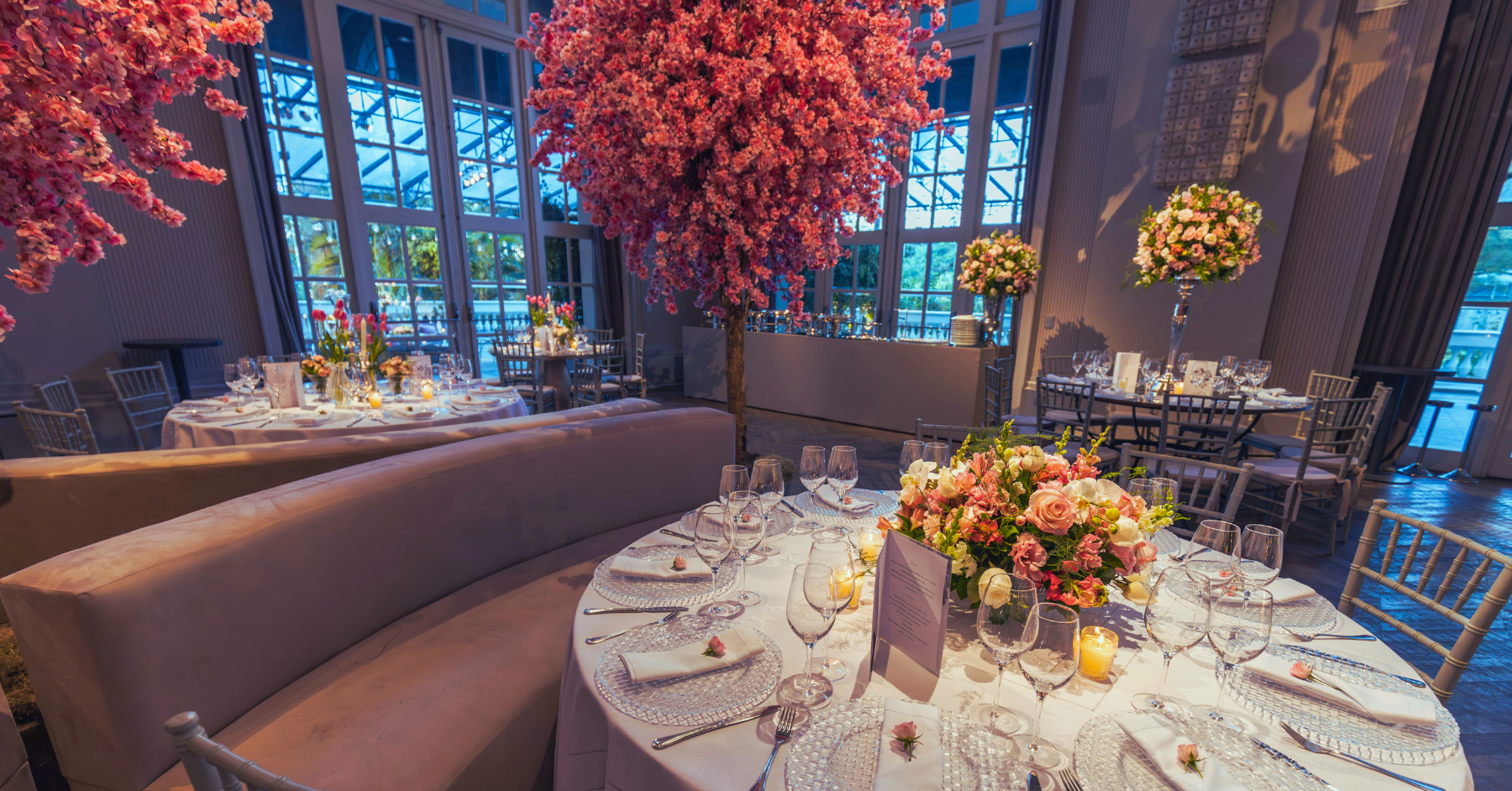
The Art of Experiential Fundraising: Designing Moments That Move Missions

Dear Friends and Colleagues,

Last week, I reflected on refinement as intentionality made visible in the way we show up. The same is true of fundraising events.

Fundraising events are often thought of as glamorous evenings — the right venue, the right guest list, the right goals. Yet beneath all of that, the most successful events share something far more powerful: they are intentional experiences designed to move both hearts and missions.

At their best, fundraising events are not about the transaction of giving — they are about the translation of purpose. They invite people to step inside the story of an organization, to feel its mission come alive, and to see themselves reflected in its work.


Experiential fundraising begins long before the first guest arrives. It starts with a question:

What do we want people to remember — and why does it matter?

Every detail becomes part of that answer. The invitation sets the emotional tone. The setting establishes atmosphere and context. The program is not simply a sequence of speeches, but a carefully curated narrative that connects personal stories, organizational impact, and the audience’s collective sense of purpose.

When guests feel that alignment — when the evening tells a story they believe in — generosity follows naturally.


A well-crafted event is not about decoration, but about direction. Each visual cue, each moment of hospitality, each transition of light or sound is an opportunity to guide the emotional arc of the experience.

At Event Strategies For Success®, we often remind clients that the most memorable moments are rarely the most elaborate — they are the most meaningful. A single heartfelt story can move a room more deeply than the most dazzling production.


The true impact of an event extends beyond its applause. When designed intentionally, an event becomes a catalyst — one that continues to deepen engagement, attract new allies, and sustain giving long after the evening ends.

Follow-up becomes more than a thank-you; it becomes a continuation of the story. Guests remember how they felt. That emotional memory is what turns attendance into advocacy, and generosity into partnership.


An event can raise dollars, but an experience raises belief. And belief — sincere, shared, and enduring — is what sustains every mission long after the lights fade.

With gratitude,
Monique Brizz-Walker

With A Grateful Heart

As you move through this Thanksgiving Day, I invite you to pause—just for a moment—and breathe with a grateful heart.

✨  Let today be less about perfection and more about presence.
✨  Less about the rush, and more about the quiet in-between moments.
✨  Less about what’s missing, and more about what’s here.

May your table be filled with good food, your home with warmth, and your heart with gratitude—big or small, spoken or silent.

Wishing you a beautiful, grounded, grace-filled Thanksgiving.

With gratitude,
Monique

Beyond Logistics: The Strategic Leadership That Shapes Every Memorable Event

Dear Friends and Colleagues,

That’s a line I return to often — especially in my work with nonprofits and social impact leaders. Because beyond logistics, the best events don’t just happen — they chart a direction. They build movements, visibility, and legacy.

As an event planner and strategist, I’ve seen firsthand that the forces that make an event truly successful often happen far from the spotlight.

In addition to checklists and timelines lives the invisible but essential labor of cultivating relationships — with prospective and current donors, community leaders, stakeholders, and even the potential beneficiaries of our mission.

For each, the goal is the same: to emerge as a trusted partner and ally. It’s about charting strategic direction — whether the organization is expanding, consolidating, unveiling something new — and aligning every decision to that vision.

It’s also about practicing intentional storytelling: framing your mission so that others not only understand it, but see themselves inside it, empowered to shape its future.

It might begin with a quiet coffee chat between a CEO and a longtime board member. A vision session where you ask not just, What’s our goal?” but “What story are we asking people to step into? What are we asking them to help shape, take ownership of, and invest in?

In my work, I design moments that reintroduce an organization’s mission, invite stakeholders into its growth story, and position donors as co-authors of its impact.

At Event Strategies for Success, we’ve built our model on one guiding truth: Your event is not the moment. It’s the movement.

Whether you’re preparing your annual gala, planning a quiet donor cultivation series, or creating an internal milestone moment, the principle remains the same:

You’re not just making decisions. You’re setting direction.

Because in the end, it isn’t logistics that make an event unforgettable — it’s leadership.

Here’s to your success.

Monique

Leaning Into Quiet Luxury: How Curated Simplicity Speaks to Me Now

Dear Friends and Colleagues,

There is something quietly shifting in how we design, live, and celebrate. For me, this shift has been less about what is trending and more about what is timeless. Over the past few weeks, I have been curating a space—a mood, really—that I have named Quiet Luxury.

It is the art of doing more with less. Of choosing fewer, better things. Of embracing intention over excess.

As someone who has built a career designing events that move missions and create legacy, I have always leaned toward meaning rather than spectacle. Recently, I find myself even more drawn to softness, to neutral tones, to natural textures, and to curated elegance. Elements that do not shout, but speak clearly.

Quiet luxury is not about labels. It is about legacy. It is about understanding that beauty, when done well, does not need to ask for attention. It naturally commands it.

I see it in a single linen napkin folded just right. A candle lit not for fragrance, but for ambiance. A moment around a table that does not need staging, because it was created with care.

In my event work, this has always been the ethos—small gatherings with a generous heart, spaces that hold people and purpose. Now, I am expressing that same intentionality through design inspiration, and inviting others into it.

Leaning Into Quiet Luxury

I have created a new Pinterest board that reflects this aesthetic. It captures intimate dinner moments, curated interiors, and floral restraint. It is not just a moodboard; it is a mindset.

This board is only the beginning. Over the coming weeks, I will be releasing more content, styled imagery, and curated offerings, beginning with my Luxury Edit Candle Box, designed for quiet gatherings and meaningful gifting.

If you are drawn to intentional design, intimate experiences, and quietly elevated living, I hope you will stay connected.

Together, we can create more beauty, more space, and more meaning.

Have an amazing week!

Fondly,
Monique

Luxury must be comfortable, otherwise it is not luxury.
Coco Chanel

Embracing Easter: Symbols of Hope and New Beginnings

Dear Friends and Colleagues,

As we pause to acknowledge the Easter holiday, I’m reminded of how layered and meaningful this time of year can be. For some, Easter is a deeply spiritual observance — a sacred moment in the calendar. For others, it’s a cherished season for gathering with loved ones, welcoming the light of spring, and enjoying traditions that have grown with us over time.

Throughout the years, many voices — from storytellers and scholars to poets and everyday people — have reflected on what Easter means to them. This season, I’ve been drawn to the idea that Easter, much like spring itself, carries multiple meanings. It’s a time rich in symbolism, both ancient and evolving.

So in the spirit of reflection, I’d like to share a few of the perspectives that have shaped the celebration of Easter around the world — each offering something unique, yet connected by a common thread of renewal, hope, and the beauty of beginning again.


selective focus photography of pink cherry blossom flowers

For others, Easter signifies the joy of the season itself — a turning point from winter to spring, a time when life begins to bloom again.

It’s marked by colorful traditions: egg hunts, bunny-shaped sweets, shared meals, and the simple pleasure of being together. In many communities, these customs are celebrated in ways that are secular or culturally rooted, often tracing back to early spring festivals that honored fertility, growth, and nature’s renewal.


🌿 A More Traditional View: Roots in Faith and Story

big wooden cross on green grass field under the white clouds

At its heart, Easter is one of the most significant observances in Christian tradition — a celebration of the resurrection of Jesus Christ, symbolizing triumph over death and the promise of new life.

For many, it’s a time of deep reflection, gratitude, and spiritual renewal. This season also carries rich symbolism: the egg as a sign of new beginnings, the cross as a symbol of love and sacrifice, and even the timing of the holiday — which aligns with Passover — grounding Easter in a historical and spiritual narrative of liberation and hope.


Whether rooted in faith, family, or the rhythms of the earth, Easter speaks to something nearly all of us can relate to — the wish to start again. It invites us to pause, to notice what is blooming both around and within us, and to move forward with hope.

In that way, Easter becomes less about how it is celebrated and more about why. A gentle invitation to reflect, reset, and reconnect.


If you’re curious to explore more visual reflections of the season, I’ve also created a Pinterest board featuring images, iconic symbols, floral displays, spring fragrances, table settings and of course recipes, that capture the essence of Easter and early spring.

Simply follow this link. Feel free to take a scroll and see what we have in store.

Wishing you warmth, light, and whatever renewal looks like for you this Easter.

Monique

The Crisis Begins: Damage Control & Reputation Management

Dear Friends and Colleagues,

As we conclude our series, “The Crisis Begins – Identifying the Warning Signs,” we focus on critical reputation management strategies after significant event challenges. Together with the volunteer group, we have reviewed and proactively addressed these challenges to help restore trust and guarantee future events have a robust blueprint to follow when faced with roadblocks.

After the event, our joint priority was to swiftly tackle stakeholder concerns. We crafted strategic communications the group can use to manage perceptions and outline the steps to solve immediate issues. We believe proactive communication is vital for maintaining stakeholder trust. To learn more about suggestions we offered in “real time” we invite you to read our most recent post Crisis Response: Taking Control of the Narrative.

We conducted a financial review to understand budget impacts and improve future event planning. Our suggestions include:

  • Developing a detailed event planning guidebook with budget templates and vendor lists.
  • Enhancing fundraising strategies to include diversified sponsorship and advertising approaches.

We are committed to supporting rigorous vendor evaluations and selecting venues that improve event execution. Our focus includes:

  • Formal vendor debriefs to ensure accountability, guiding the volunteers on how to conduct these assessments.
  • Choosing venues that meet all logistical and accessibility needs, ensuring all guests have a seamless experience.

Effective marketing before and during the event is crucial. We made the following suggestions to the Chair:

  • Get an early start on designing promotional materials like banners and directional signage.
  • Create a dedicated on-site hospitality team to manage VIP meet and greets without distracting the event’s leadership team.

Our recent experience highlighted the challenges of shifting venue dynamics. Despite successfully managing this event independently in a supportive space for the past two years, a shifting to a new space posed new challenges. This year’s venue, while managed by a capable team, did not offer the full support needed to underpin a convention of nearly 400 attendees.

The decision to move the event, while well-meaning, resulted in unforeseen complications. This situation illustrates the importance of stability and continuity in venue choice, which should not be exposed to frequent changes.

It is crucial that the Convention Chair has the authority to make final decisions based on strategic considerations rather than changing preferences, ensuring the sustainability and success of future events.

This series has taught focused on ways to adeptly navigate complex event challenges. Our posts have highlighted “The 8 Pillars of Crisis Management for Impactful Nonprofit Events,” refining our strategies across various facets of event planning.

Extra insights can also be found in earlier articles in this series, including: “The Art and Precision in Event Planning: Identifying the Early Warning Signs,” and “The Moment the Pressure Mounts: Navigating Challenges and Expectations,” each providing a foundation for understanding and improving our practices.

  • How can improved planning and communication prevent future crises?
  • How can budgets be used as guardrails to ensure the event stays on track?
  • How can you design an event so that an audience with varying mobility challenges feels welcomed and not like an afterthought?
  • How can you create a fundraising agenda to support your efforts.

Thank you for your engagement and feedback as we strive to enhance our event management practices. Your insights are invaluable as we continue to learn and grow from each event.

If you have questions, please reach out to us by leaving a comment below.

Here’s to your success!

Monique

Crisis Response – Taking Control of the Narrative

Dear Friends and Colleagues,

Welcome back to our ongoing series, “The Crisis Begins – Identifying the Warning Signs.” In this third installment, we think about the day of the event, which, while planned to perfection, faced several setbacks that tested our resilience and decision-making.

The day promised excitement and connectivity but was tempered by several logistical and service challenges that influenced the overall experience.

  • Culinary Disappointments: Despite earlier successes with our chosen caterer, this year saw a decline in both the quality and quantity of food. Portions were noticeably smaller, and the presentation did not meet our established standards. Critical feedback from attendees highlighted these discrepancies, notably during the lunch service which did not show the high quality of past offerings.
  • Accessibility and Venue Limitations: The venue, while visually appealing, presented significant logistical challenges. With only one operational elevator, located far from the main event areas, many attendees, including VIPs, encountered difficulties. The venue’s layout necessitated frequent movement across multiple floors, further complicating guest mobility.

As challenges unfolded, our team managed the divergence between the behind-the-scenes realities and the public face of the event. Maintaining a positive external perception was crucial, even as we navigated these internal challenges. This delicate balance involved real-time logistical adjustments and ongoing communication with attendees to manage expectations and mitigate dissatisfaction. Allies proved invaluable in ensuring that quiet concerns did not escalate into public discontent.

The Role of Effective Communication: Strengthening Post-Event Narratives

Real-time communication strategies were adjusted post-event to address and clarify the day’s issues. While early suggestions for a proactive communication memo were set aside by leadership due to concerns about exacerbating disappointment, the need for clear post-event communication became obvious. This shift highlights how crucial it is to give clarity and lead from a position of strength after challenges have arisen.

The experiences of the day highlighted the indispensable value of being prepared for crises. By establishing comprehensive communication strategies beforehand, we can better manage event narratives and keep the integrity of our efforts. This proactive approach ensures that challenges are managed effectively and that our commitment to excellence is clearly communicated.

Reflective Questions to Consider:

  • What strategies can be implemented to better prepare for unforeseen challenges during an event?
  • How can event planners enhance their crisis communication plans to effectively manage public perception both during and after an event?
  • What role does staff training play in ensuring that everyone is equipped to handle crises as they unfold?

As we look ahead to our next post, “Damage Control & Reputation Management,” we will explore the strategies we recommended to restore trust and manage the event’s reputation in its aftermath.

Stay tuned as we continue to navigate these complex waters, learning and growing with each challenge we face.

Also, we’d love to hear from you. Leave a comment to let us know what resonated with you.

Here’s you your success!

Monique

The Moment the Pressure Mounts – Navigating Challenges and Expectations

Dear Friends and Colleagues,

Thank you for tuning in for the second article in our series, “The Crisis Begins – Identifying the Warning Signs.”  This week, we delve into how “The Pressure Mounts” in the thick of event planning. This post highlights pivotal moments where resilience and decision-making are tested.  

Initially marked by past success, our event’s partnership with the catering team faced unforeseen financial discrepancies this year.  Despite a $5,000 increase in our budget, amounting to a 25-30% hike, it proved insufficient due to unexpected logistical needs and venue changes. 

Different table sizes required new linen rentals—a cost neither the host nor caterer anticipated and couldn’t absorb. Additionally, the promised quality and quantity of food diminished. The once bountiful chicken and fish entrees were replaced with portions that seemed to echo our tightened budget, leaving our guests underwhelmed.

While visually appealing, the venue couldn’t support our logistical needs effectively.  Outside event hosts are never permitted to use crucial kitchen facilities, a stark contrast to the prior year’s accommodation. This forced the caterer to rely solely on external resources for basic needs like heating food, further straining our already limited budget.

A defining moment occurred during a pre-event discussion that laid bare the misalignment between our expectations and the caterer’s interpretation of the contract.  The caterer did mention that circumstances would change; yet, they did not fully document these changes in writing or offer prepared alternatives, which led to heightened tensions and a last-minute scramble to adjust plans.

This episode in our event saga reminds us of the crucial need for vigilance in contract negotiations and the importance of clear, ongoing communication.  As we continue to navigate these turbulent waters, we must also prepare to adapt swiftly and effectively.

  • How can event planners guarantee vendor agreements are robust enough to handle unexpected changes?
  • How can we improve our crisis management skills to better handle similar pressures in the future?
  • What strategies can be employed to keep high service standards despite budget constraints?

Stay tuned for our next post, “Crisis Response – Taking Control of the Narrative,” to explore how to reclaim control and steer your event back on course despite overwhelming odds.

Here’s to your success.

Monique 

The Art of Precision in Event Planning

Dear Friends and Colleagues,

A wise friend once told me, “Everything in life is an event, and events are not for the faint of heart.” This advice resonated deeply, particularly when planning significant gatherings where success hinges on meticulous attention to detail, foresight, and adaptability.

In today’s post, I’ll walk you through an event that put every crisis management principle to the test—an annual convention in the greater New York City area designed for over 375 volunteer service members. 

This meticulously structured day-long event required extensive coordination, but as we’ll explore, unexpected challenges arose, revealing critical lessons in leadership, logistics, and decision-making.


5:00 PM – A key event team member arrived on-site to meet the caterer, who delivered rentals and pre-arranged items for the next day’s breakfast service.

Due to budget constraints, the event could not afford a full catering staff for setup. As a result, our colleague, assisted by a few volunteers, set up the primary and vendor spaces.

8:00 PM – The setup team wrapped up for the night.


6:00 AM – Our colleague returned to greet volunteers, manage last-minute logistics, and oversee vendor and caterer setup.
7:30 AM – Guests began arriving.
9:00 AM – Opening remarks and welcome session in the auditorium.
10:00 – 11:15 AM – Workshops and seminars held on the 3rd floor, designed to educate and inspire.
11:45 AM – 1:00 PM – A general session on the 1st floor to discuss key organizational strategies.
1:15 PM – Luncheon on the lower level featuring a keynote speaker to motivate and unify attendees.
4:30 PM – The event concluded.
5:00 – 6:00 PM – Guests departed, and our colleague, along with a few volunteers, handled the breakdown of the space.


The venue choice played a critical role in shaping this event. Chosen for its picturesque layout and ample parking, the space addressed prior logistical challenges but introduced new obstacles in functionality and accessibility.

Leadership’s vision prioritized aesthetics over operational efficiency, leading to overlooked concerns about guest movement and convenience. This decision underscores the delicate balance between aspiration and practicality in event planning.


A key event strategist flagged potential challenges early in the planning process—from venue layout to accessibility limitations. Yet, in a volunteer-based organization steeped in tradition, hierarchy and leadership priorities often influence final decisions.

In this case, while operational concerns were presented, leadership’s commitment to a specific vision took precedence. Our colleague navigated this dynamic with diplomacy, ensuring key concerns were raised while respecting leadership’s preferences.


As we reflect on the early planning stages and decision-making process, it becomes clear that even the most picturesque settings and well-intended choices can lead to operational challenges if not properly balanced.

✔ How often do aesthetic preferences override practical decision-making in event planning?
✔ How can early warnings be better recognized and acted upon to prevent a crisis?

These are not just rhetorical questions but critical considerations for leaders and planners alike.


In the next installmentThe Moment the Pressure Mounts, we’ll explore:

🔹 The breakdown of catering negotiations—how early agreements fell apart.
🔹 The impact of venue limitations—where accessibility and logistics created real-time challenges.
🔹 The pivotal moments that tested resilience and decision-making under pressure.

Stay tuned as we delve deeper into the lessons learned from this event, ensuring that the crisis management strategies uncovered here can be applied to future planning efforts.


This post captures the early stages of a crisis—where warning signs were visible, but leadership decisions shaped the outcome. 

The goal of this series is to consider, learn, and implement better strategies for the future.

Let me know your thoughts in the comments—Have you ever experienced a similar situation in event planning? What strategies helped you navigate it?

I look forward to the discussion!

With appreciation,
Monique

Valentine’s Day Fundraising: 12 Heartfelt Ideas to Inspire Giving

Dear Friends and Colleagues,

As February beckons, we prepare to celebrate an occasion that over the years has captured the hearts of children and adults throughout the world.

As I grew older, I realized that Valentine’s Day is more than just romance—it’s a wonderful opportunity for nonprofits to engage their communities, build deeper connections with their target audience, and host meaningful fundraisers with their tribe. Love and generosity go hand in hand, making this holiday an ideal time to rally support for your cause.

Looking to breathe new life into your fundraising agenda?

We’ve got you covered.

Here are 12 creative, mission-driven Valentine’s Day fundraising ideas to inspire giving, foster community engagement, and create lasting impact beyond February 14th.


1. Sweetheart Bake Sale: Love in Every Bite

A classic with a heartfelt twist! Partner with local bakeries, volunteers, and community members to create a themed bake sale featuring love-inspired treats. Offer “pay-what-you-can” options or a “Buy One, Donate One” initiative, where supporters can purchase treats for local shelters or hospitals.

Additionally, consider creating personalized treat boxes or themed baked goods (e.g., heart-shaped cookies, cupcakes with love notes, or truffle assortments). This not only enhances the experience but can also encourage larger donations.

✨ Pro Tip: Add a virtual bake sale component by allowing online orders with delivery or pickup options. Promote it through social media with engaging visuals.


2. Love Letters for a Cause: Messages That Matter

Encourage supporters to write love letters of kindness, appreciation, or gratitude for someone special, frontline workers, or community heroes. Charge a small donation per letter, and if possible, arrange for special deliveries to nursing homes, hospitals, an elderly relative, or neighbors.

✨ Pro Tip: Offer beautifully designed stationery or digital e-cards for virtual participation. Partner with schools to involve students in sending uplifting messages.


3. Valentine’s Dance for a Cause

Host a community dance night or virtual dance party to bring people together while raising funds. Include dance lessons, a themed photo booth, and a “Dancing for Donations” challenge where donors pledge based on how long participants keep dancing!

✨ Pro Tip: Partner with local dance studios or DJs to elevate the experience and cross-promote to their audience.


4. Romantic (or Family-Friendly) Movie Night Fundraiser

Set up an indoor or outdoor (depending on your climate) movie screening featuring classic romantic films or feel-good family movies. Charge an entry donation and offer VIP picnic-style seating with blankets, snacks, and hot cocoa kits.

✨ Pro Tip: Include a “Sponsor a Ticket” option for donors to purchase tickets for families in need.


5. Heartfelt Craft Fair: Love in Every Creation

Host a handmade craft fair where local artisans and vendors sell Valentine’s gifts, with a portion of proceeds benefiting your cause. Offer DIY workshops like candle-making, love-themed pottery, or card design.

✨ Pro Tip: Add an online marketplace for those who want to shop but can’t attend in person.


6. Cupid’s Charity 5K Run/Walk

Get hearts racing with a Cupid-themed 5K where participants dress in red and pink. Offer a “Run for a Reason” sponsorship, where runners can dedicate their run to someone special.

✨ Pro Tip: Provide virtual participation options for those who prefer to run in their own neighborhoods and share their progress online.


7. Love & Laughter: Valentine’s Comedy Night

Host a stand-up comedy night featuring local comedians. Laughter is a powerful way to bring communities together while supporting a good cause. Sell tickets and add raffle prizes or silent auctions to boost fundraising.

✨ Pro Tip: Offer a “VIP Experience” with front-row seating, meet-and-greets with comedians, or themed cocktail specials.


8. Valentine’s Pet Parade & Adoption Event

Combine adorable pets and philanthropy by organizing a pet parade and adoption event! Have participants dress their pets in festive Valentine’s costumes and charge an entry fee, with proceeds going to animal shelters.

✨ Pro Tip: Offer a “Puppy Kissing Booth” where attendees can make a small donation to cuddle with adoptable pets.


9. Love Your Neighbor: Acts of Kindness Day

Organize a community-wide service day where volunteers help neighbors in need—yard work, grocery runs, or writing appreciation notes. Participants can collect pledges for their acts of kindness.

✨ Pro Tip: Encourage social media participation by using a #LoveYourNeighborChallenge to spread the movement.


10. Valentine’s Day Photo Booth Fundraiser

Set up a photo booth at a local event, park, or café with fun Valentine’s props and backdrops. Charge a donation per session and offer custom digital filters or printed polaroids.

✨ Pro Tip: Partner with a local photographer for a professional touch and increase social shares!


11. Valentine’s Gala: A Night of Love & Giving

For a high-impact fundraiser, host a formal Valentine’s gala with dinner, dancing, and a silent auction. Create a compelling “Give from the Heart” moment, where attendees can pledge donations live.

✨ Pro Tip: Include a “Love Letter Wall” where donors can write personal messages about why they support your cause.


12. Community Love Wall: Share & Celebrate Love

Set up a large heart-shaped mural in a community space where people can write messages of gratitude, love, and kindness for a small donation. Alternatively, create a virtual “Love Board” where supporters can dedicate digital messages.

✨ Pro Tip: Incorporate a live-streamed unveiling event and encourage social media sharing with a dedicated hashtag.


Final Thoughts: Make This Valentine’s Day Count

Valentine’s Day isn’t just about flowers and chocolates, although I enjoy my share of both—it’s about spreading love and creating meaningful impact. These fundraising ideas aren’t just one-time events; they are opportunities to deepen connections, inspire generosity, and build long-term support for your cause.

💡 Next Steps: Choose one or two ideas that align with your nonprofit’s mission, promote them effectively, and engage your community in a season of giving that lasts beyond February 14th.

💬 Which idea resonates with you the most? Let’s start planning! ❤️,

Here’s to your success!

Monique

error: Content is protected !!